

ON THIS DAY
October 9, 2026
5 historic moments captured — scroll to explore
2012
Malala Yousafzai Attacked
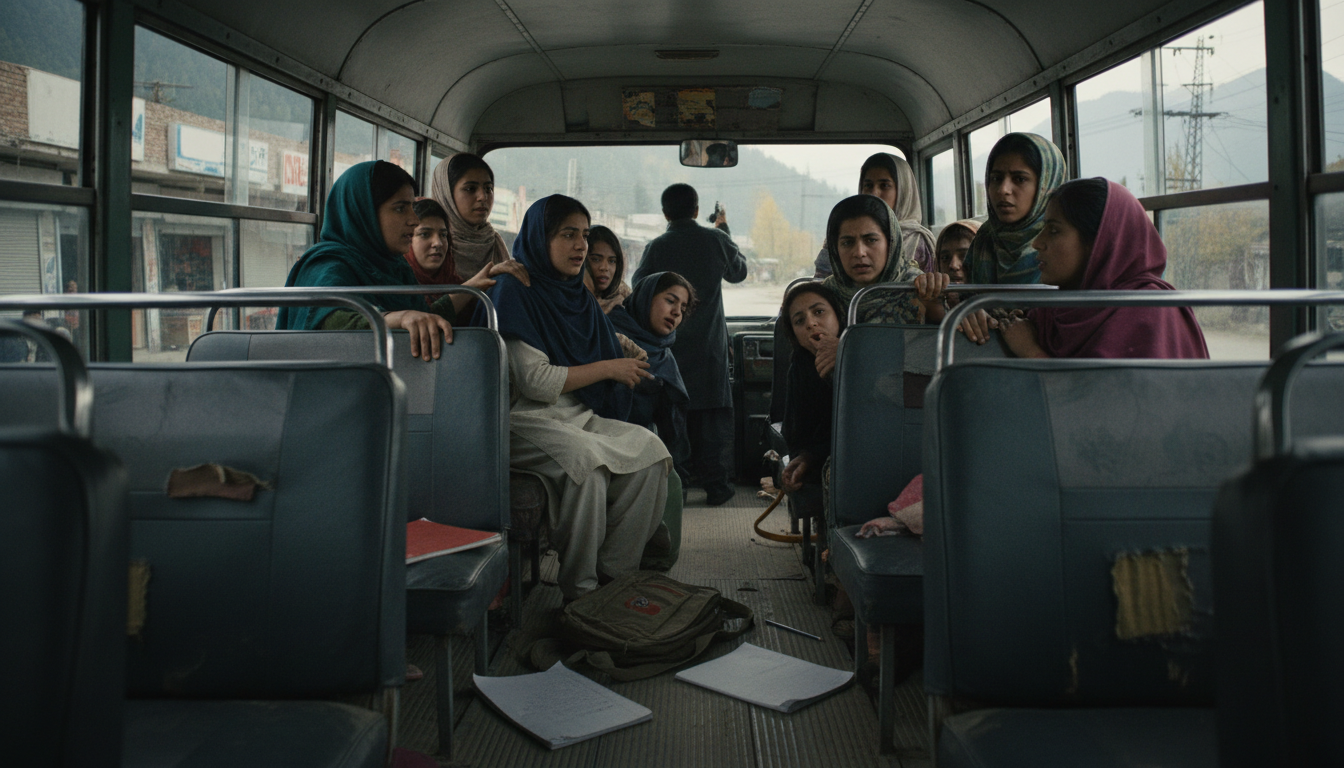
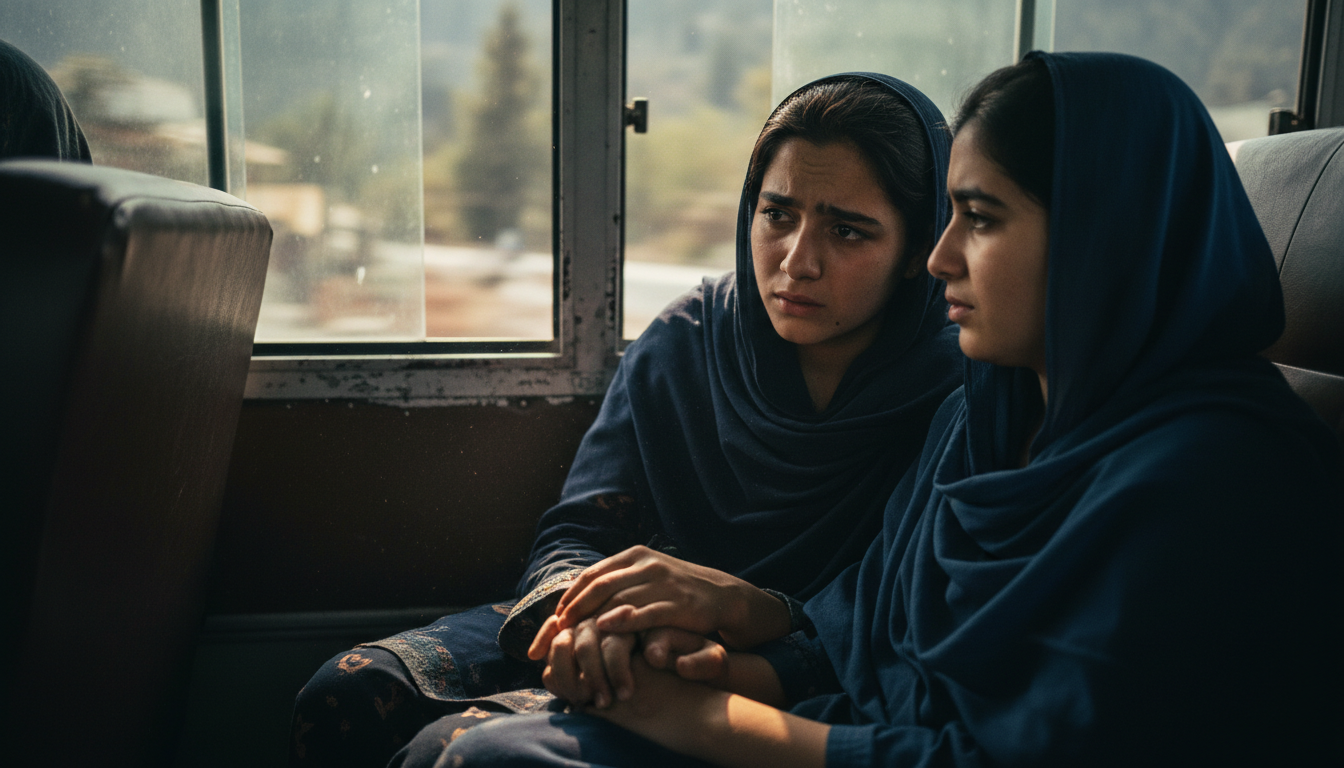
On October 9, 2012, a Pakistani Taliban gunman shot 15-year-old Malala Yousafzai aboard a school bus in Pakistan’s Swat Valley because of her advocacy for girls’ education.
She survived and became a global symbol of resistance to efforts to deny girls schooling, later receiving the 2014 Nobel Peace Prize.
The attack occurred amid a Taliban insurgency that had imposed harsh restrictions and targeted schools, highlighting broader struggles over education, women’s rights, and extremism in Pakistan.
2006
North Korea Conducts Its First Nuclear Test
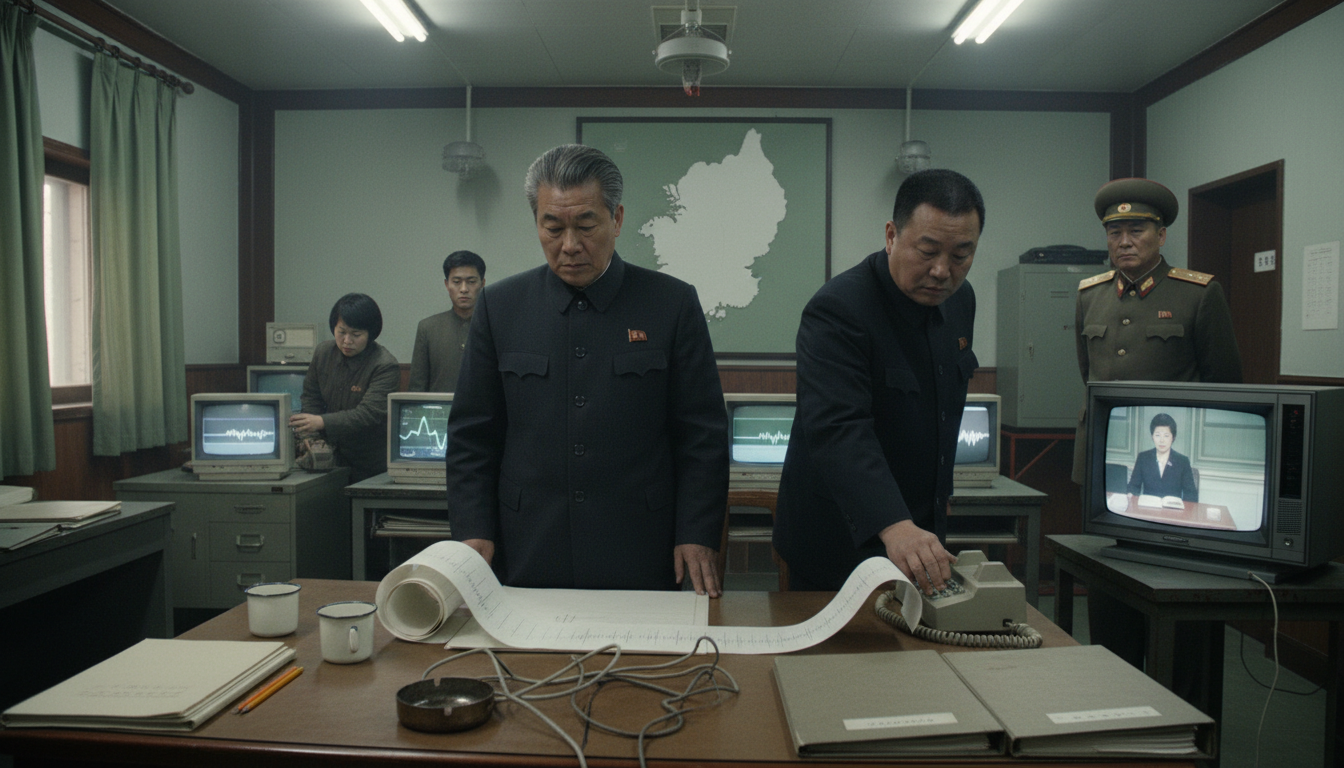
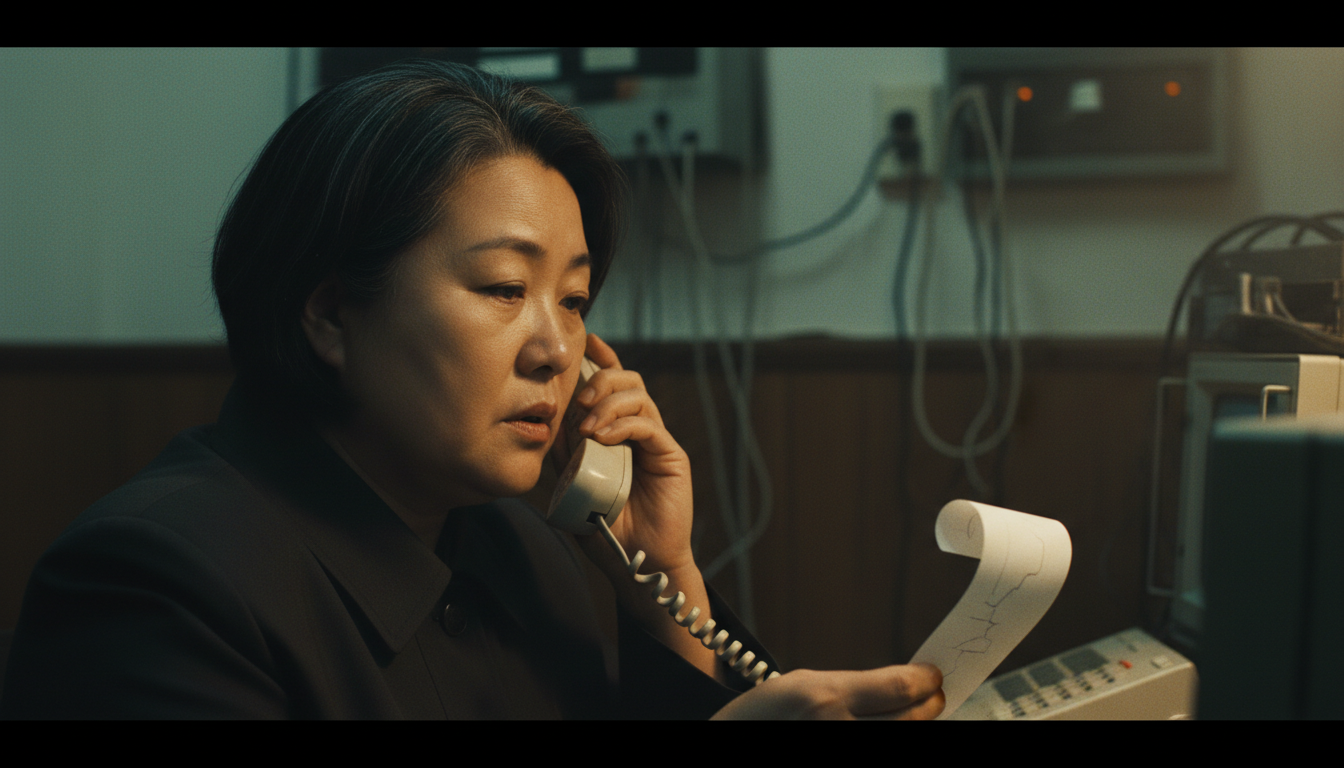
On October 9, 2006, North Korea announced that it had conducted its first underground nuclear weapons test.
The test marked its emergence as a nuclear-armed state, prompting international condemnation and United Nations sanctions.
It followed decades of nuclear development and stalled diplomatic efforts, intensifying security tensions on the Korean Peninsula and beyond.
The test marked its emergence as a nuclear-armed state, prompting international condemnation and United Nations sanctions.
It followed decades of nuclear development and stalled diplomatic efforts, intensifying security tensions on the Korean Peninsula and beyond.
1989
Leipzig Protest Draws 70,000
On October 9, 1989, about 70,000 people marched peacefully through Leipzig, demanding political reform and greater freedom in East Germany.
Despite fears of a violent crackdown, security forces did not intervene, emboldening the opposition and making the protest a turning point in the Peaceful Revolution.
The demonstration came amid growing unrest across the Soviet bloc and helped accelerate events leading to the Berlin Wall’s fall and East Germany’s collapse.
1967
Che Guevara Executed in Bolivia
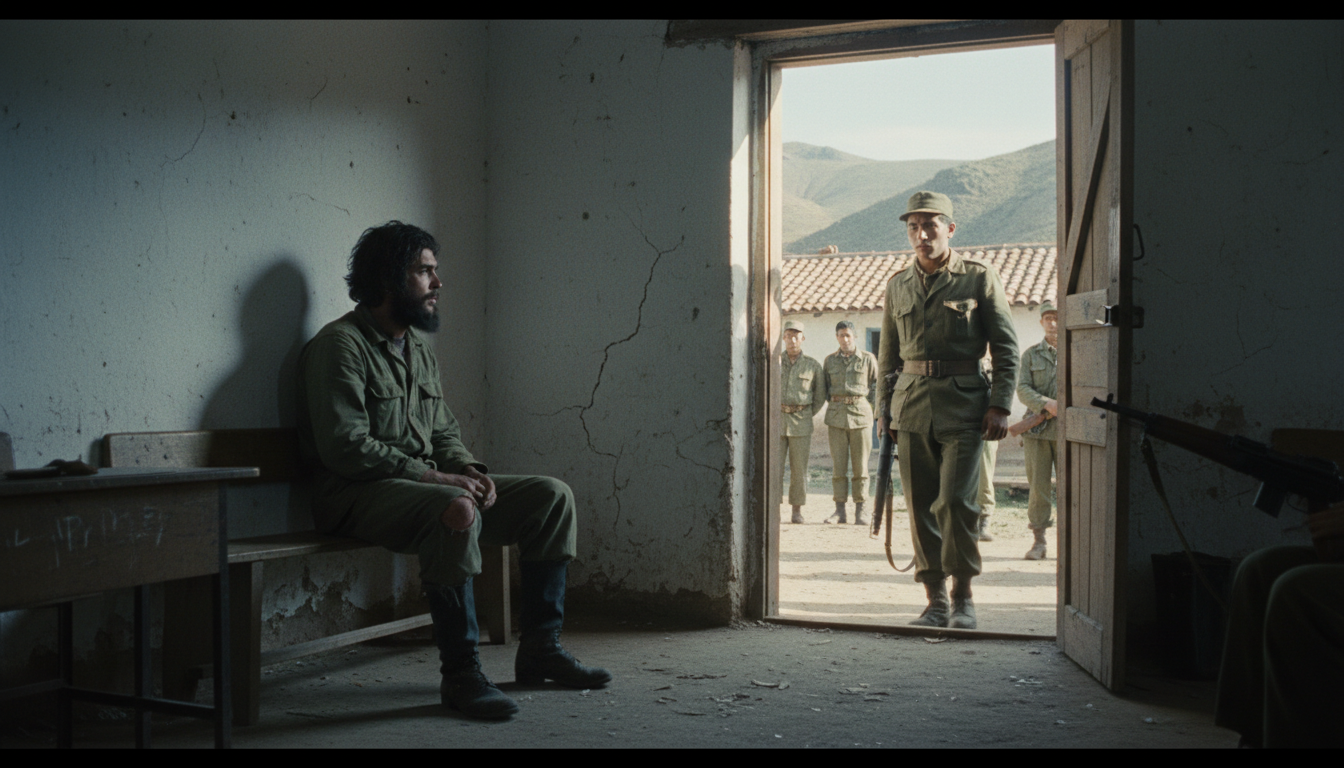
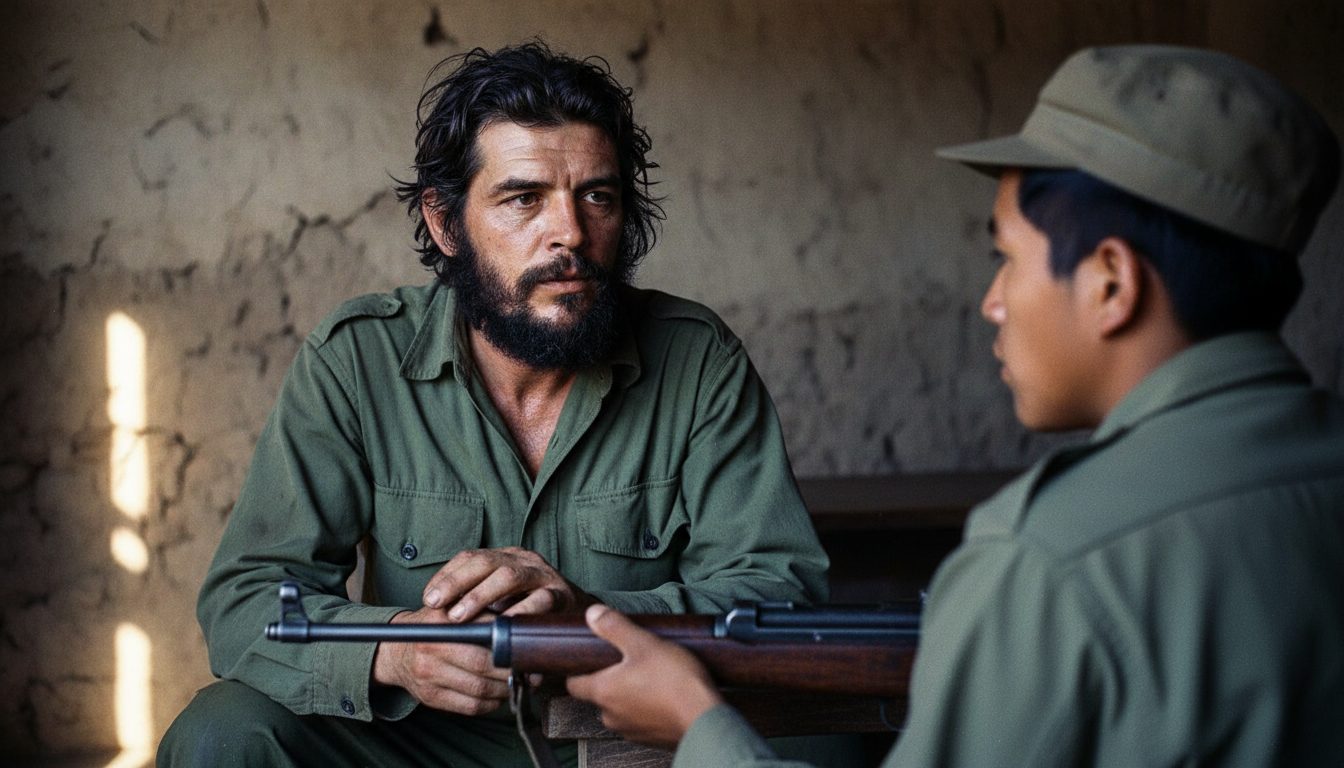
On October 9, 1967, Bolivian soldiers executed Argentine-born Marxist revolutionary Ernesto “Che” Guevara in La Higuera after capturing him the previous day.
His death ended his failed guerrilla campaign in Bolivia and transformed him into an enduring symbol of revolution and anti-imperialism.
The execution occurred amid Cold War efforts by Latin American governments and the United States to suppress communist insurgencies after the Cuban Revolution.
His death ended his failed guerrilla campaign in Bolivia and transformed him into an enduring symbol of revolution and anti-imperialism.
The execution occurred amid Cold War efforts by Latin American governments and the United States to suppress communist insurgencies after the Cuban Revolution.
1962
Uganda Gains Independence
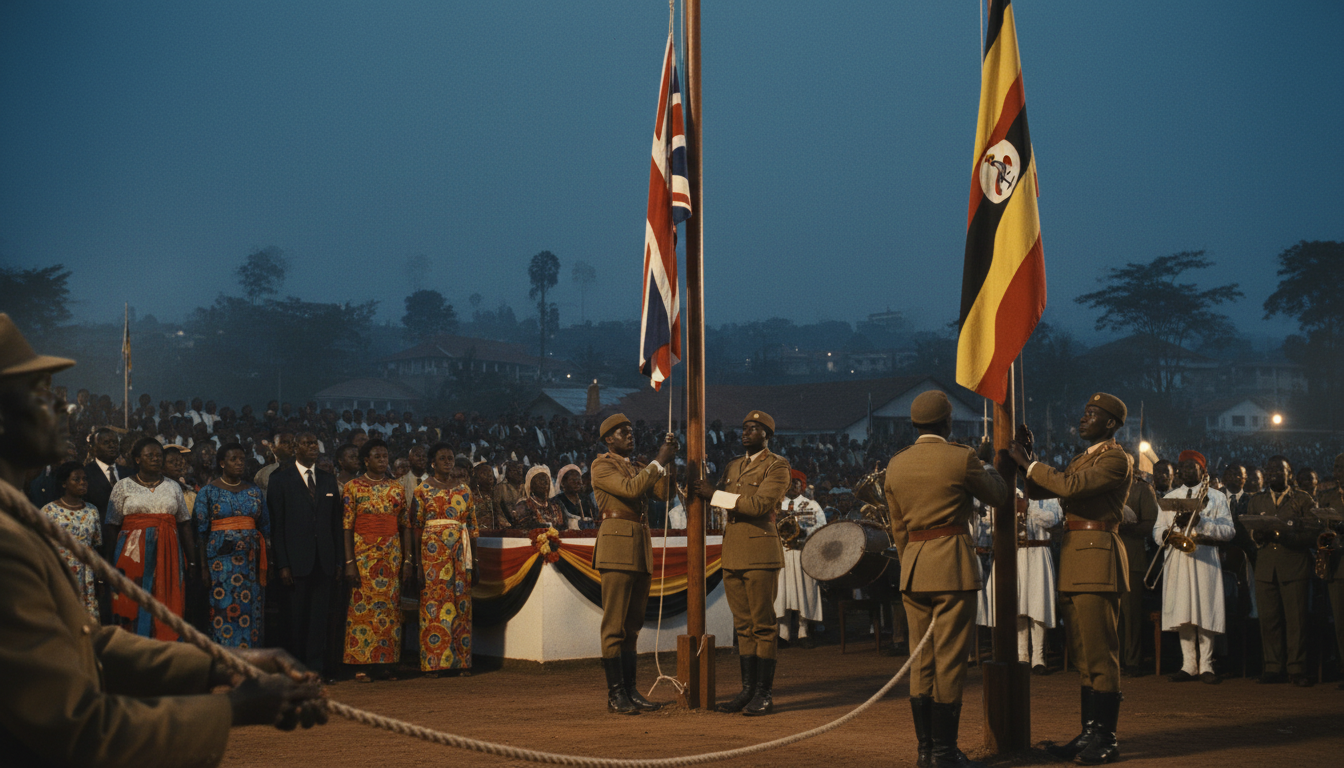
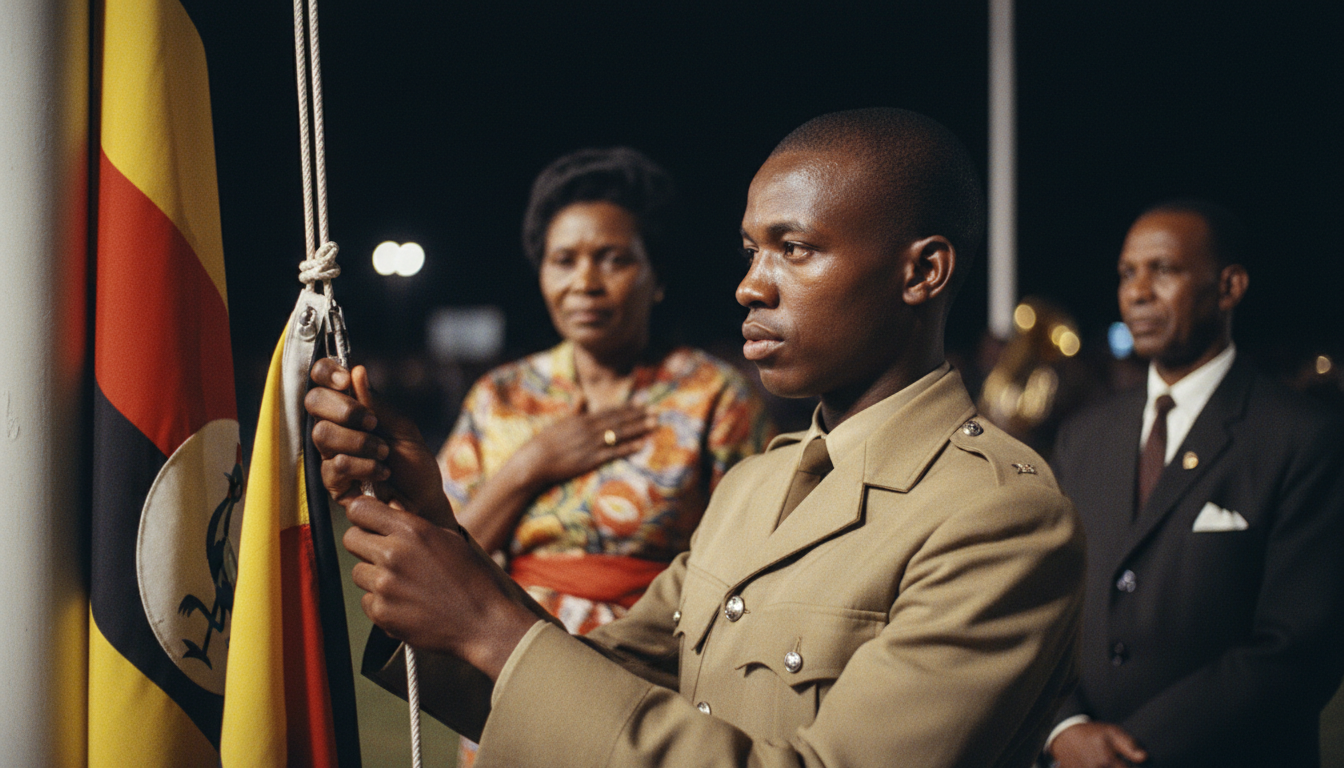
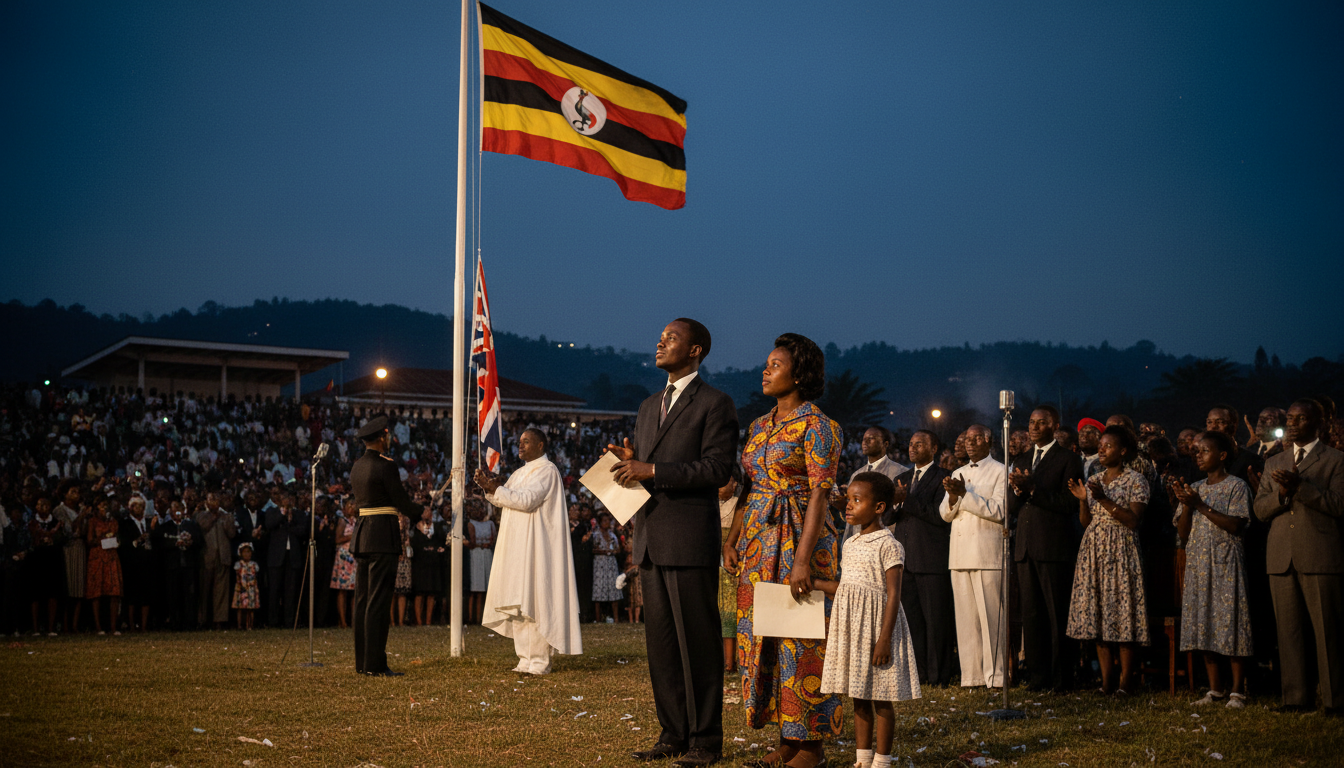
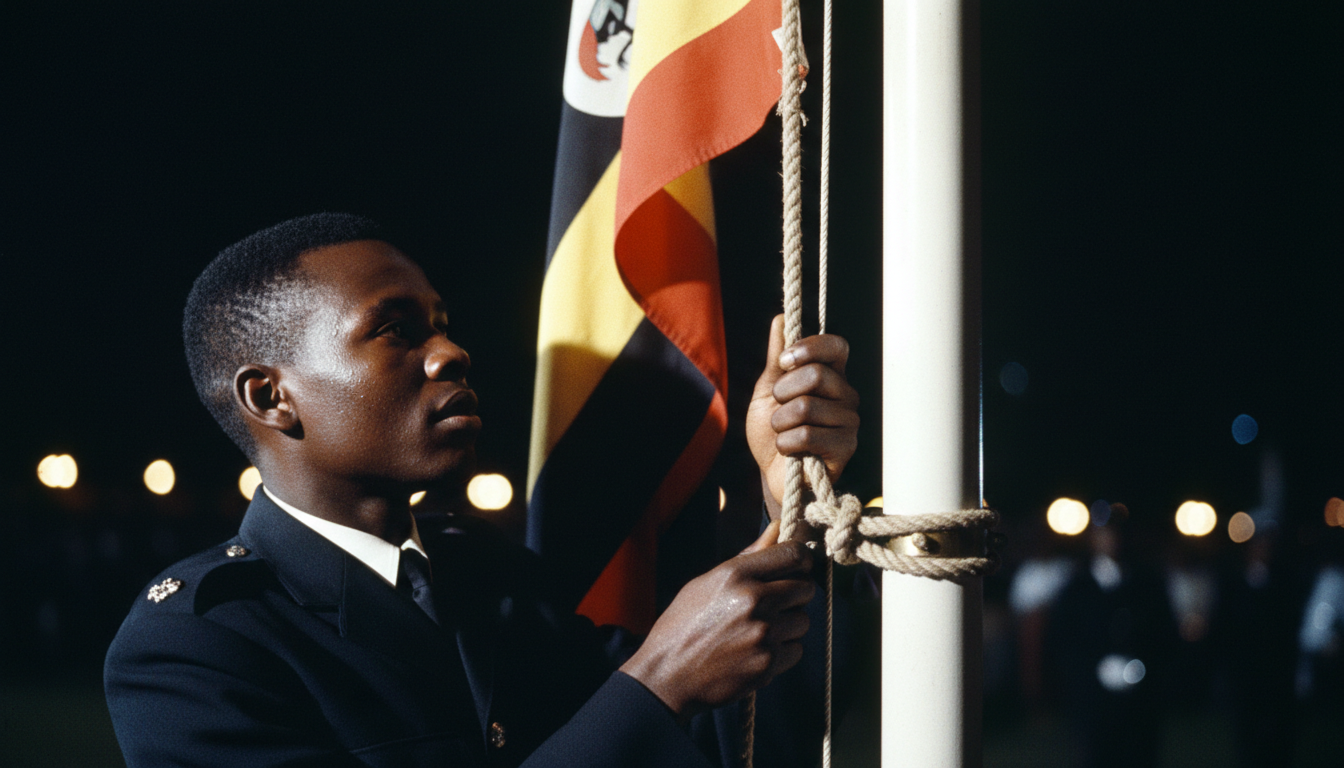
On October 9, 1962, Uganda gained independence from Britain, ending decades of colonial rule as the Uganda Protectorate.
Independence established Uganda as a sovereign state with authority over its own government and national affairs.
The event formed part of the broader decolonization of Africa, as European empires withdrew and new nations emerged after World War II.
Independence established Uganda as a sovereign state with authority over its own government and national affairs.
The event formed part of the broader decolonization of Africa, as European empires withdrew and new nations emerged after World War II.