

ON THIS DAY
October 10, 2026
5 historic moments captured — scroll to explore
1973
Spiro Agnew Resigns as Vice President
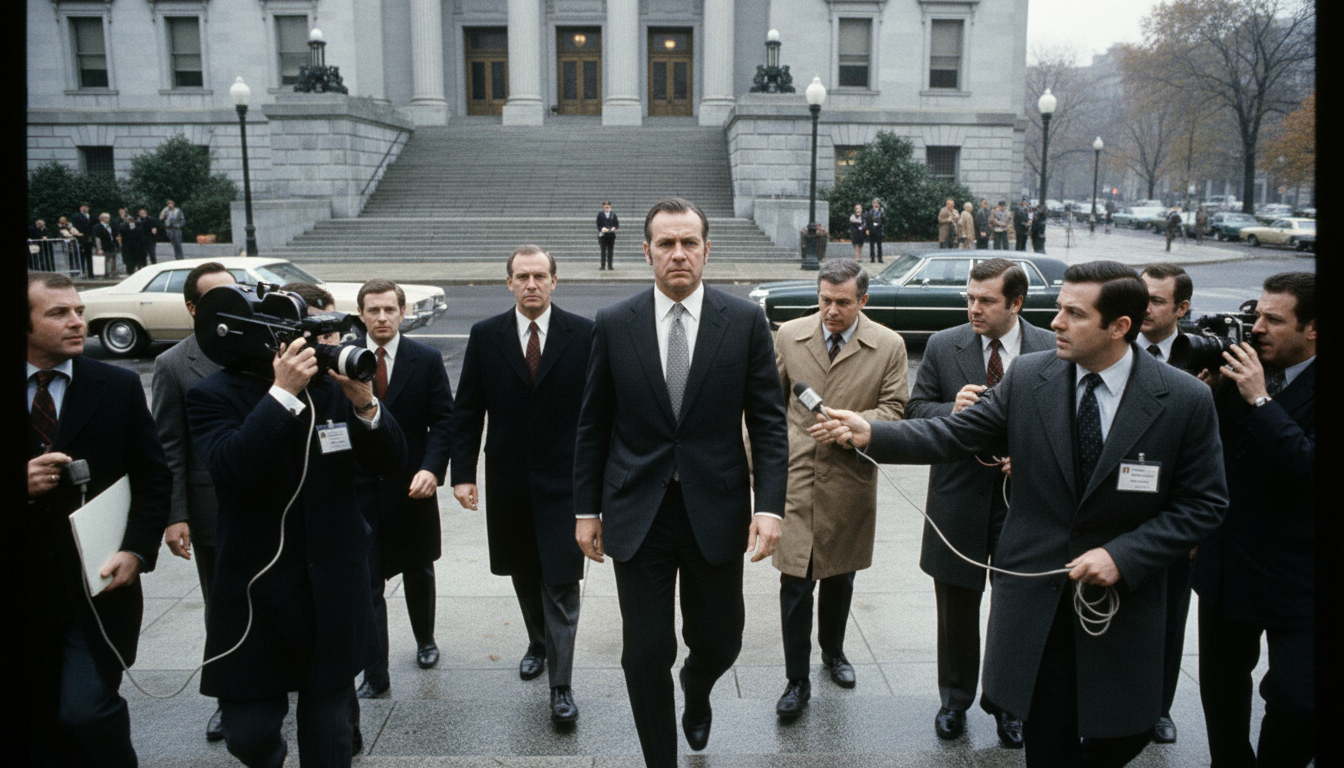
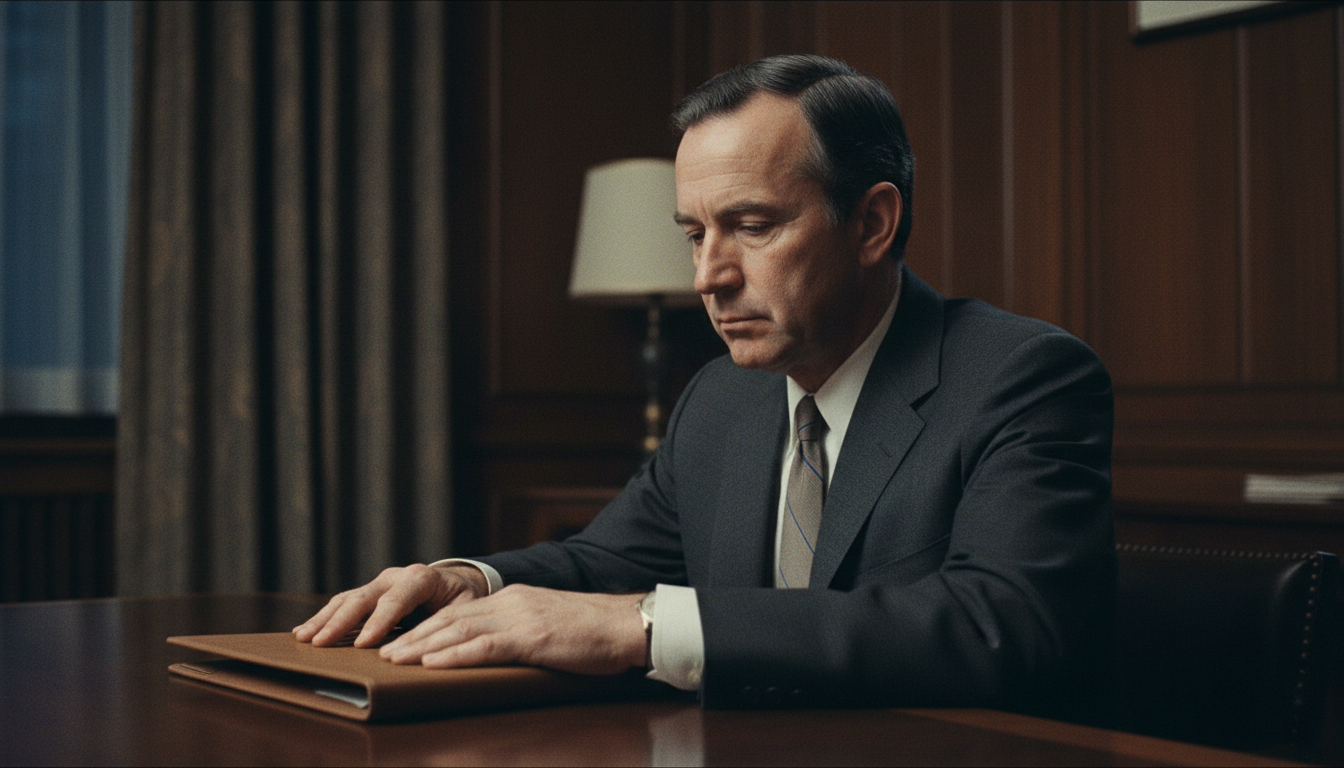
On October 10, 1973, Vice President Spiro Agnew resigned after pleading no contest to federal income tax evasion amid an investigation into bribery allegations.
His departure made him only the second U.S. vice president to resign and led President Richard Nixon to nominate Gerald Ford under the 25th Amendment.
The resignation occurred during the Watergate crisis, and Ford’s elevation proved pivotal when Nixon resigned the presidency the following year.
His departure made him only the second U.S. vice president to resign and led President Richard Nixon to nominate Gerald Ford under the 25th Amendment.
The resignation occurred during the Watergate crisis, and Ford’s elevation proved pivotal when Nixon resigned the presidency the following year.
1970
Fiji Gains Independence
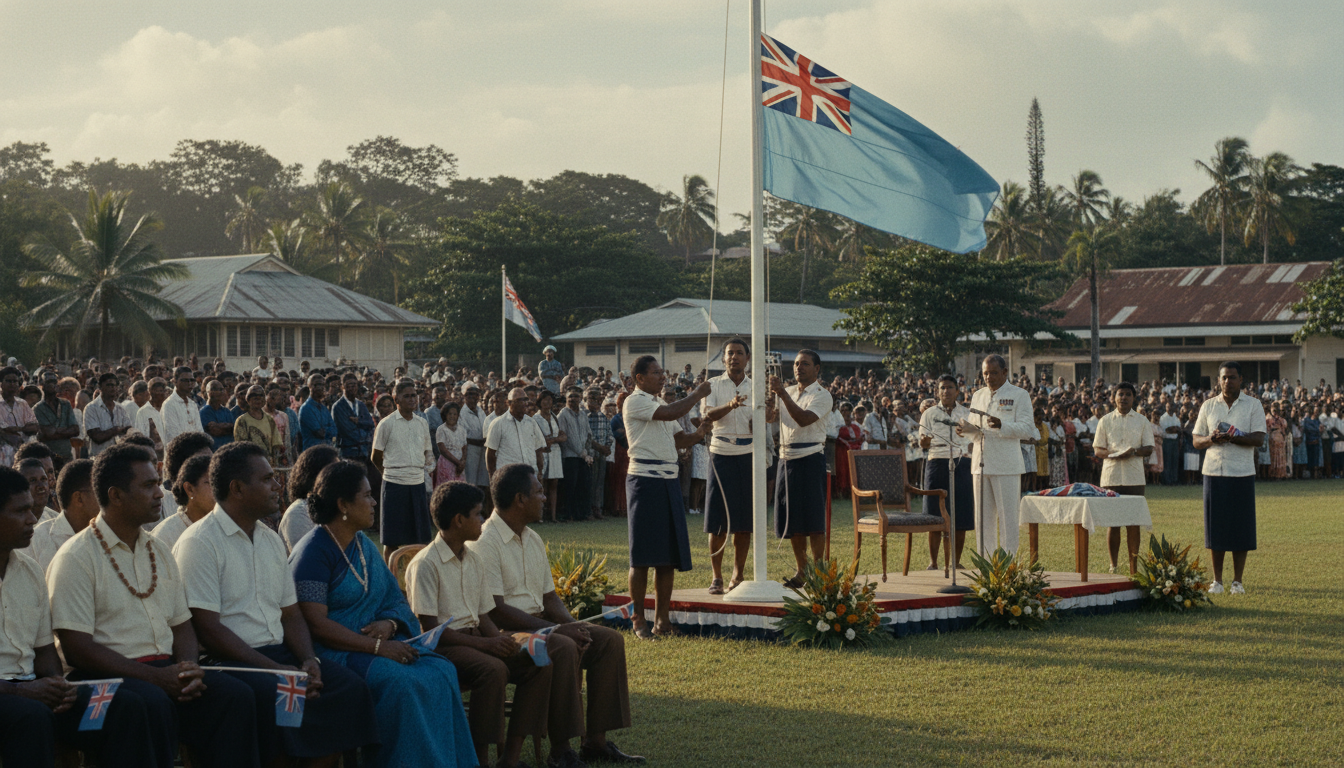
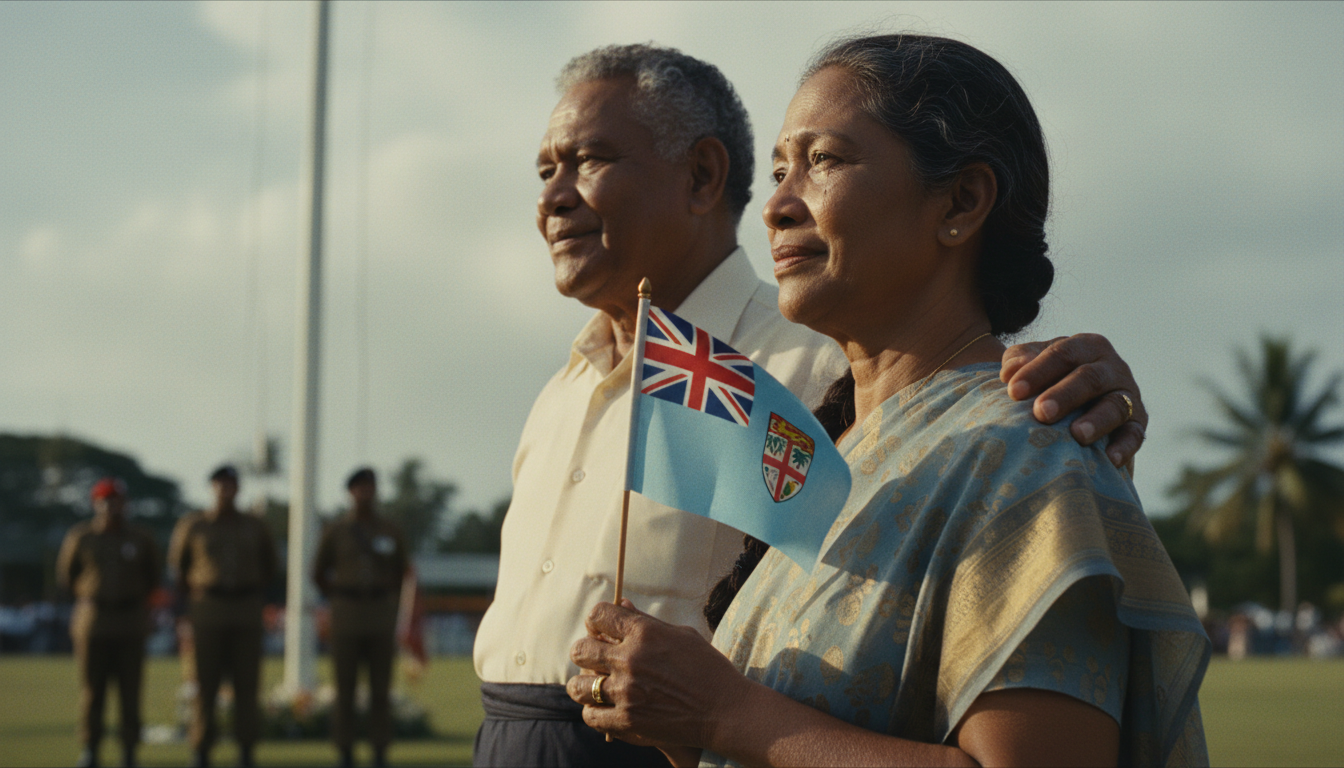
On October 10, 1970, Fiji became an independent sovereign state after 96 years as a British colony.
Independence gave Fiji control over its government and national affairs while it remained a member of the Commonwealth.
The event formed part of the broader post–World War II decolonization movement across the Pacific and the wider British Empire.
Independence gave Fiji control over its government and national affairs while it remained a member of the Commonwealth.
The event formed part of the broader post–World War II decolonization movement across the Pacific and the wider British Empire.
1964
Tokyo Opens Asia’s First Summer Olympics
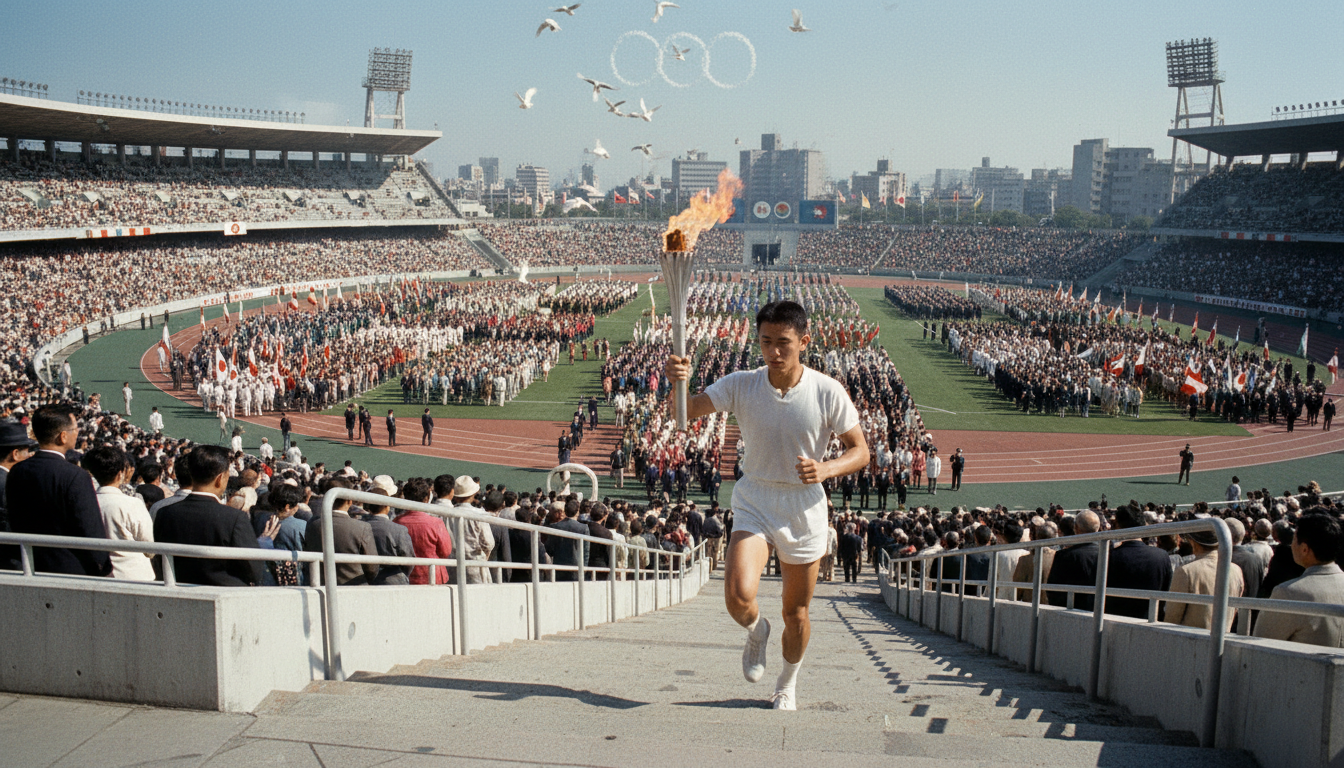
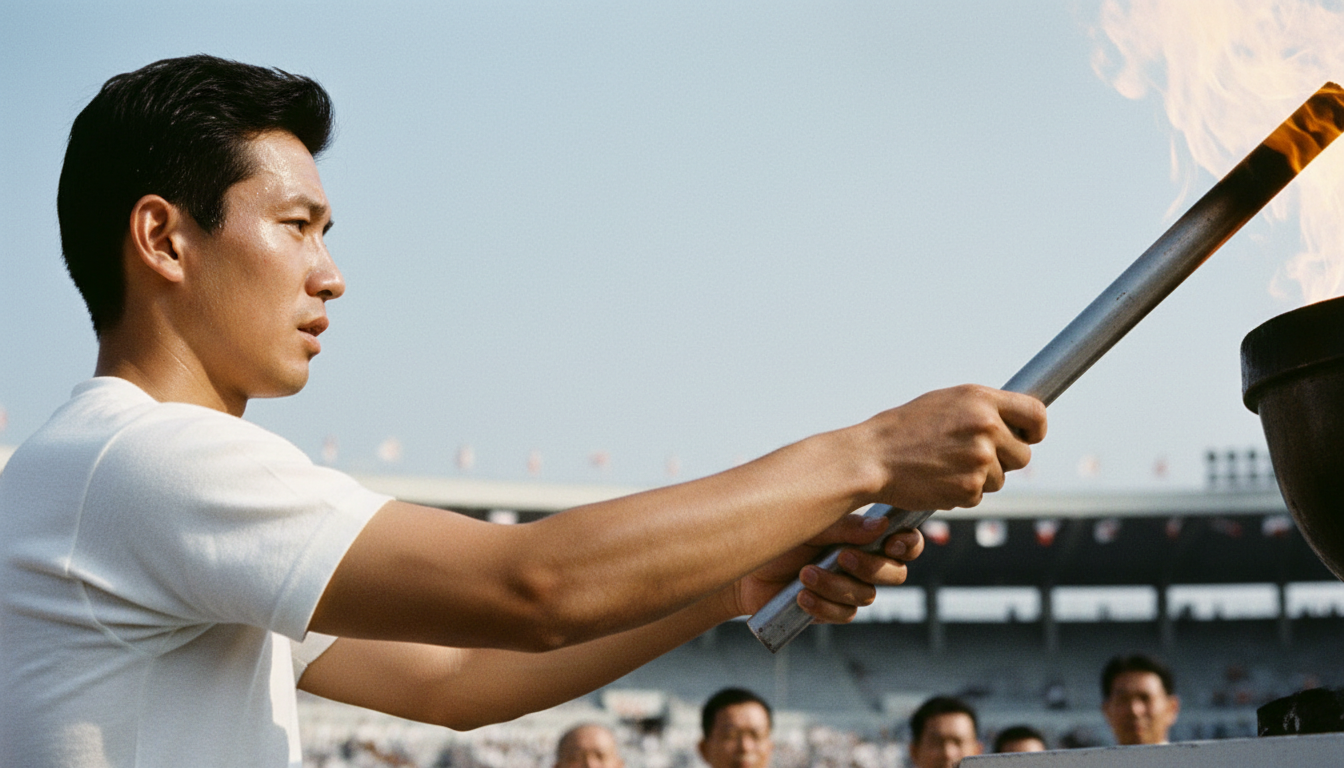
On October 10, 1964, the Summer Olympic Games opened in Tokyo, Japan.
They marked the first modern Summer Olympics hosted by an Asian country.
The Games highlighted Japan’s postwar recovery and growing reintegration into the international community.
They marked the first modern Summer Olympics hosted by an Asian country.
The Games highlighted Japan’s postwar recovery and growing reintegration into the international community.
1963
Partial Nuclear Test Ban Treaty Takes Effect
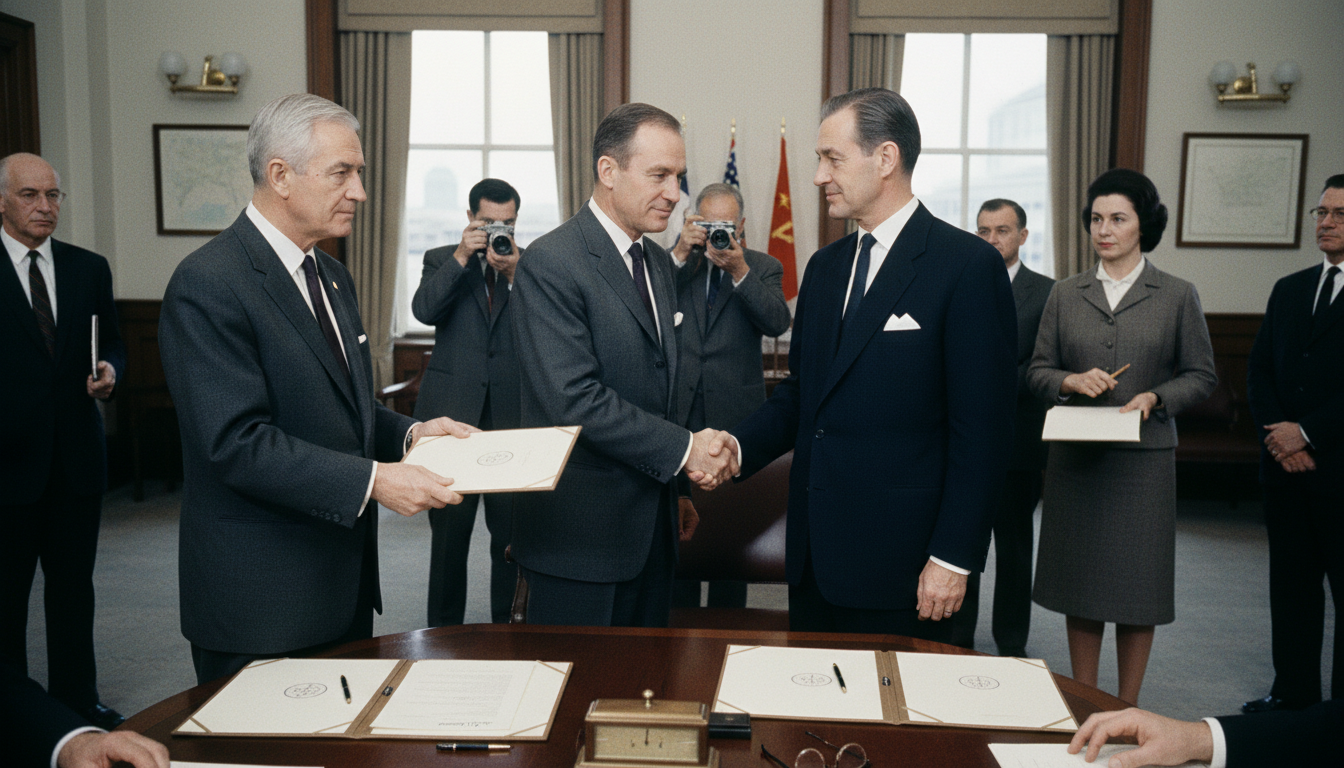
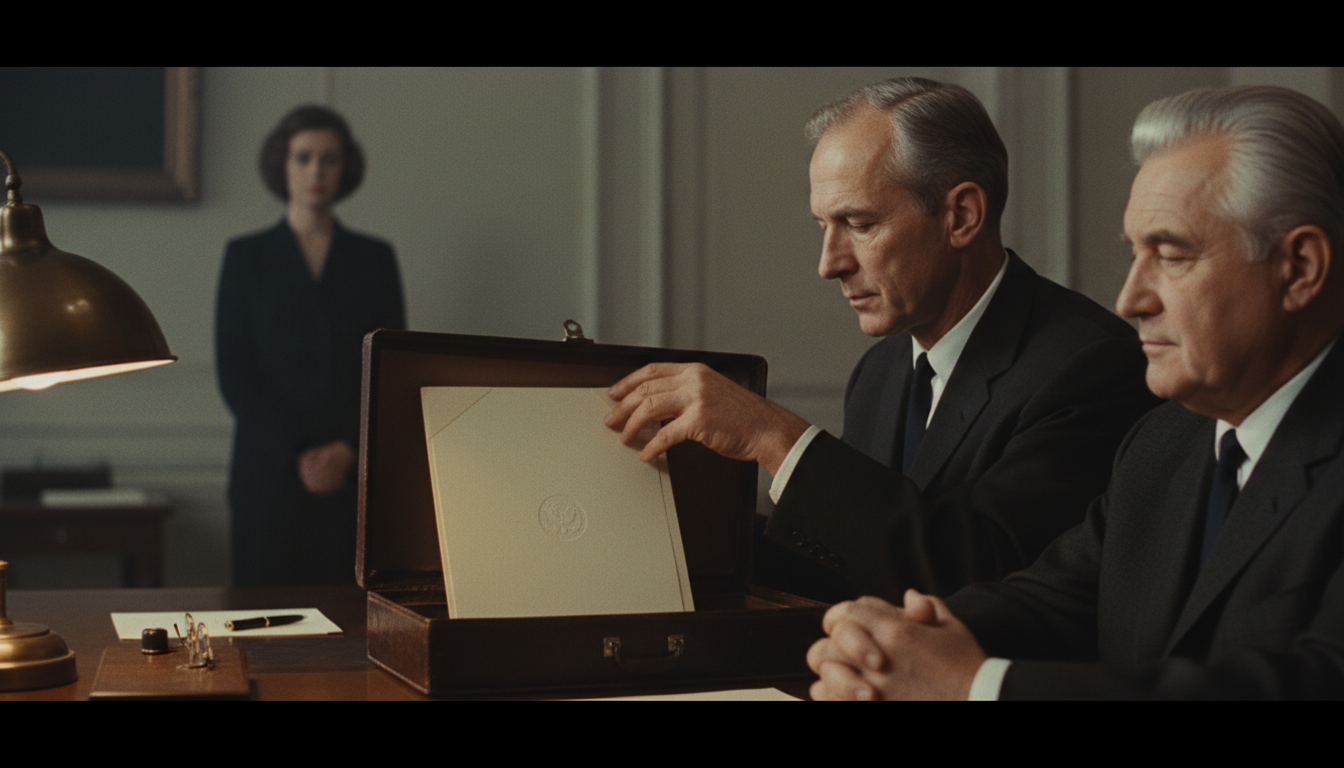
On October 10, 1963, the Partial Nuclear Test Ban Treaty entered into force after ratification by the United States, Soviet Union, and United Kingdom.
It prohibited nuclear weapons tests in the atmosphere, outer space, and underwater, reducing radioactive fallout but allowing underground testing.
Negotiated amid Cold War tensions and growing concern over nuclear contamination, it marked an early arms-control achievement after the Cuban Missile Crisis.
1957
Windscale Fire Begins
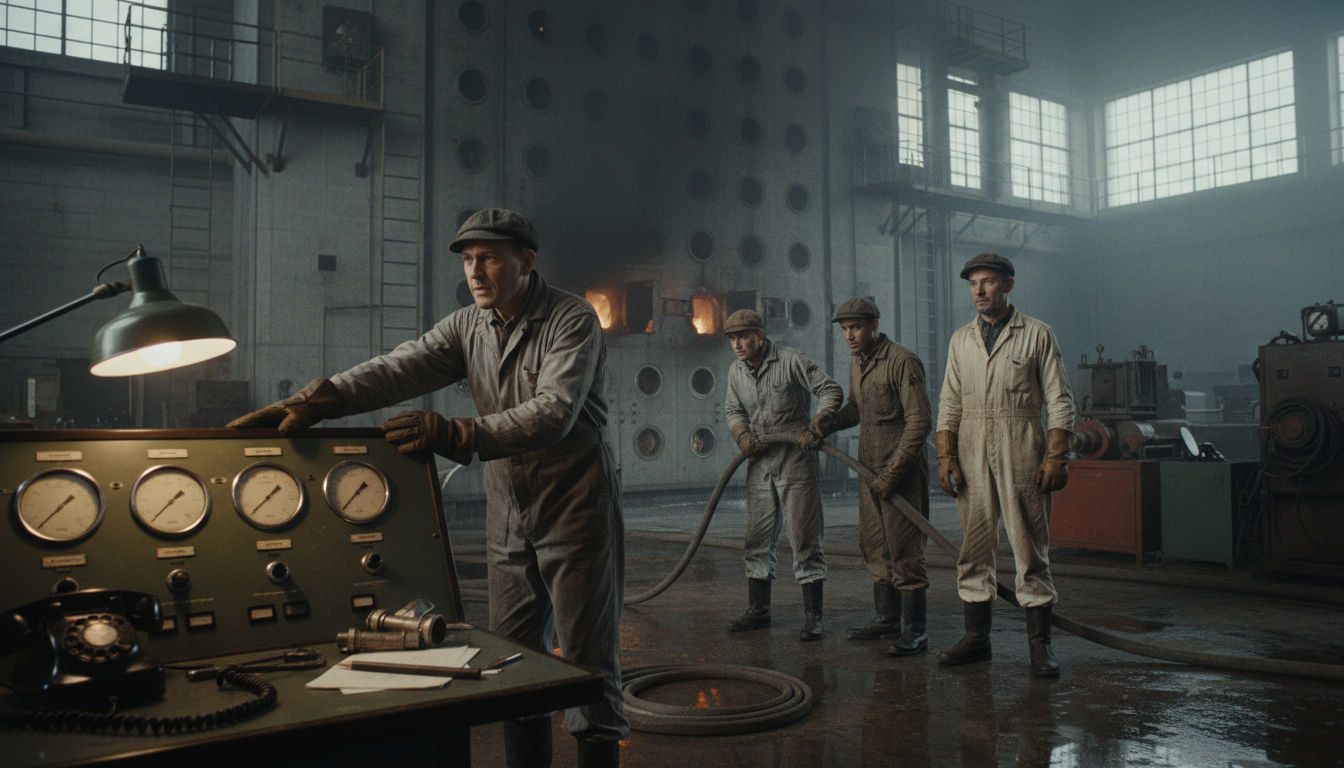
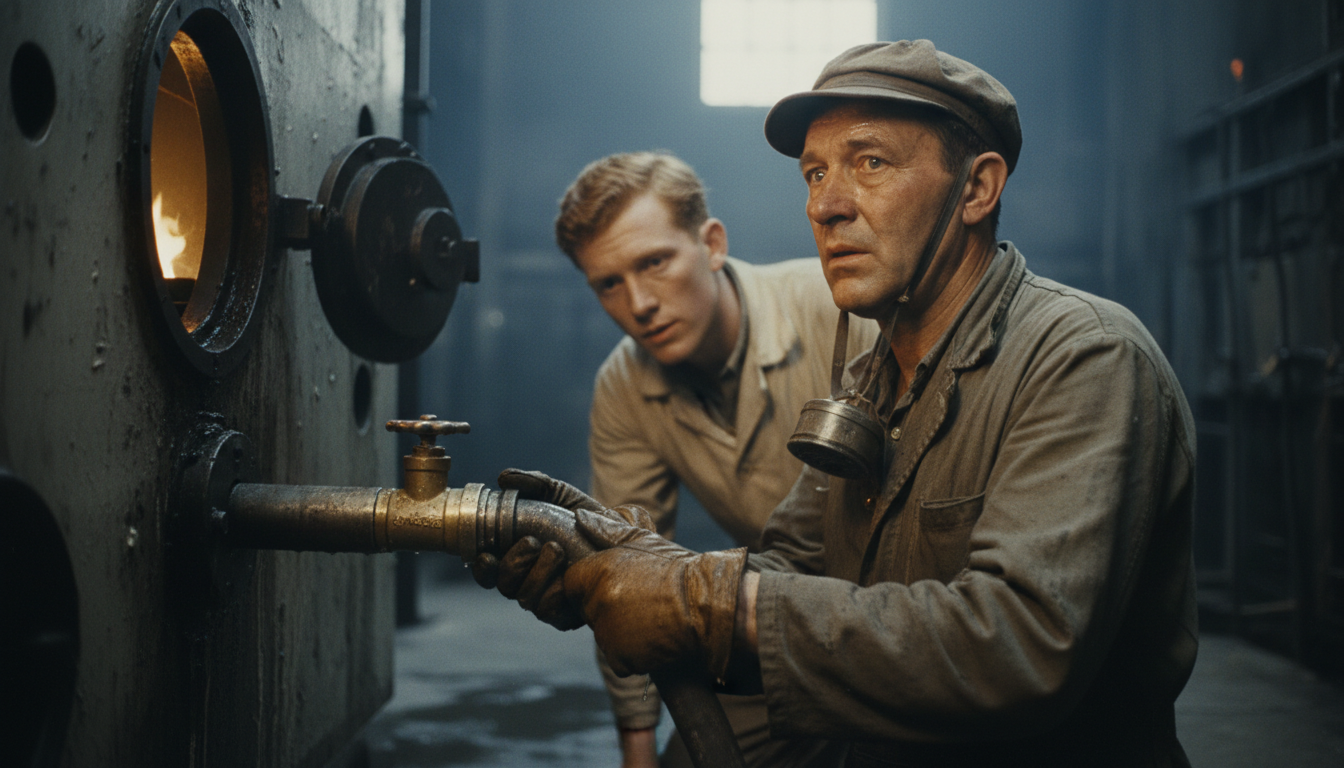
On October 10, 1957, a fire broke out in the graphite core of Windscale Pile No. 1 during a routine release of stored energy.
The blaze released radioactive material, including iodine-131, and became Britain’s worst nuclear accident, prompting milk restrictions nearby.
The reactor produced material for Britain’s nuclear weapons program, placing the disaster in the context of the early Cold War arms race.
The blaze released radioactive material, including iodine-131, and became Britain’s worst nuclear accident, prompting milk restrictions nearby.
The reactor produced material for Britain’s nuclear weapons program, placing the disaster in the context of the early Cold War arms race.