

ON THIS DAY
October 26, 2026
5 historic moments captured — scroll to explore
2001
USA PATRIOT Act Signed into Law
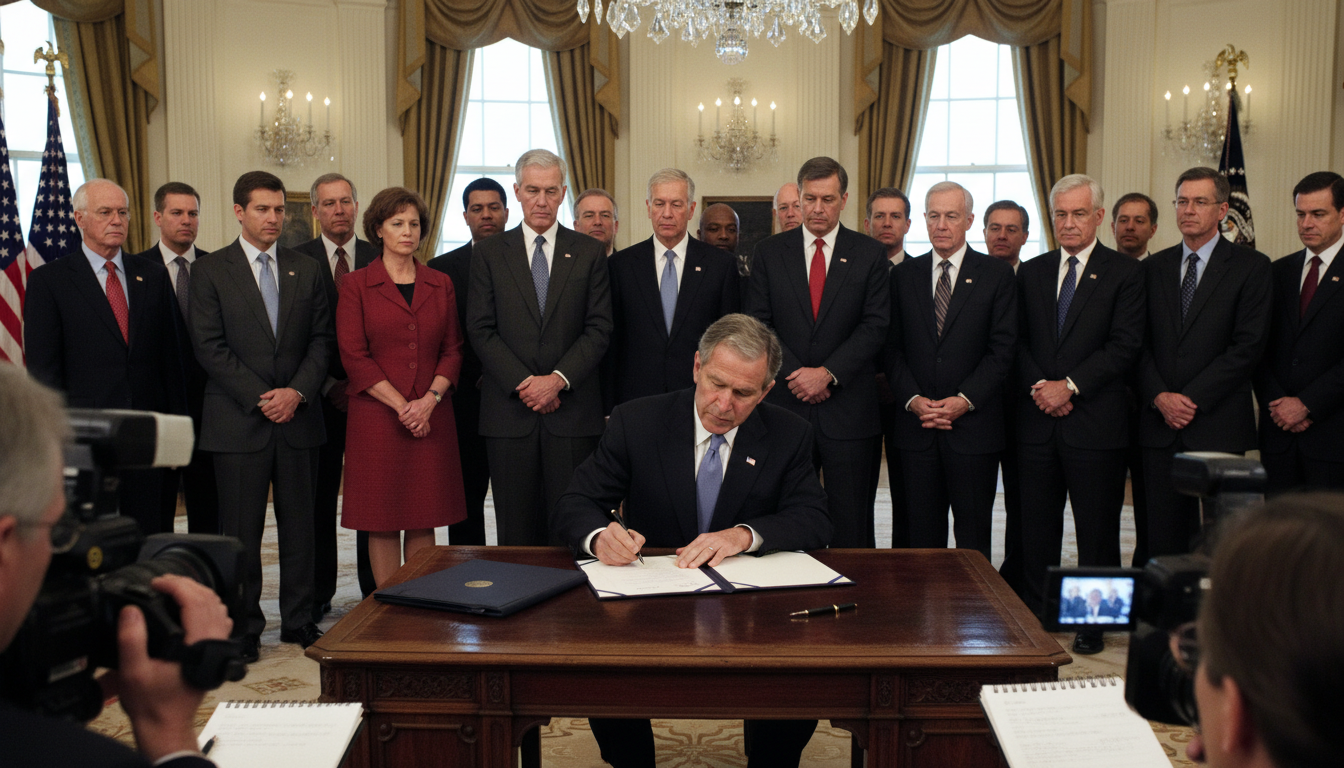
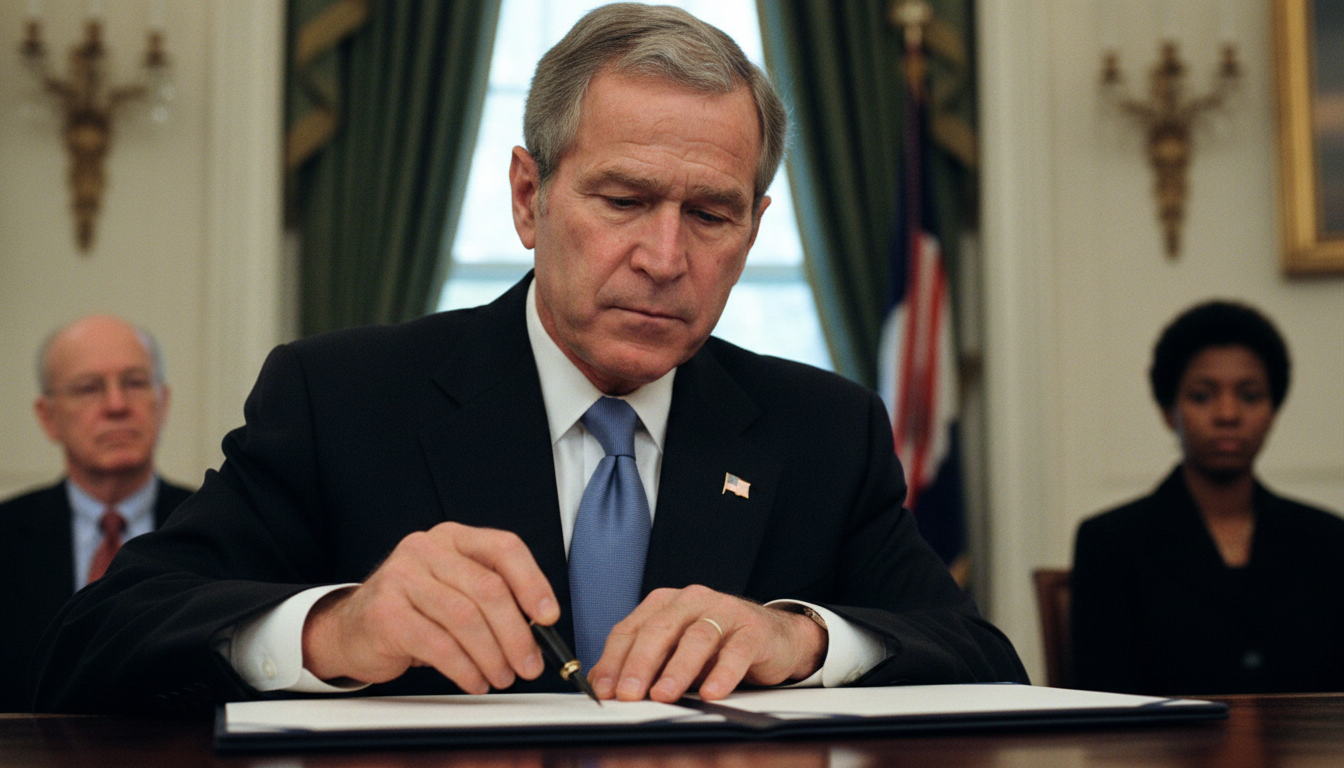
On October 26, 2001, President George W. Bush signed the USA PATRIOT Act into law following its rapid passage by Congress.
The act expanded federal surveillance, intelligence-sharing, and law-enforcement powers to help detect and prevent terrorism.
Enacted six weeks after the September 11 attacks, it became a defining part of the War on Terror and prompted lasting debates over security, privacy, and civil liberties.
The act expanded federal surveillance, intelligence-sharing, and law-enforcement powers to help detect and prevent terrorism.
Enacted six weeks after the September 11 attacks, it became a defining part of the War on Terror and prompted lasting debates over security, privacy, and civil liberties.
1979
Assassination of Park Chung Hee
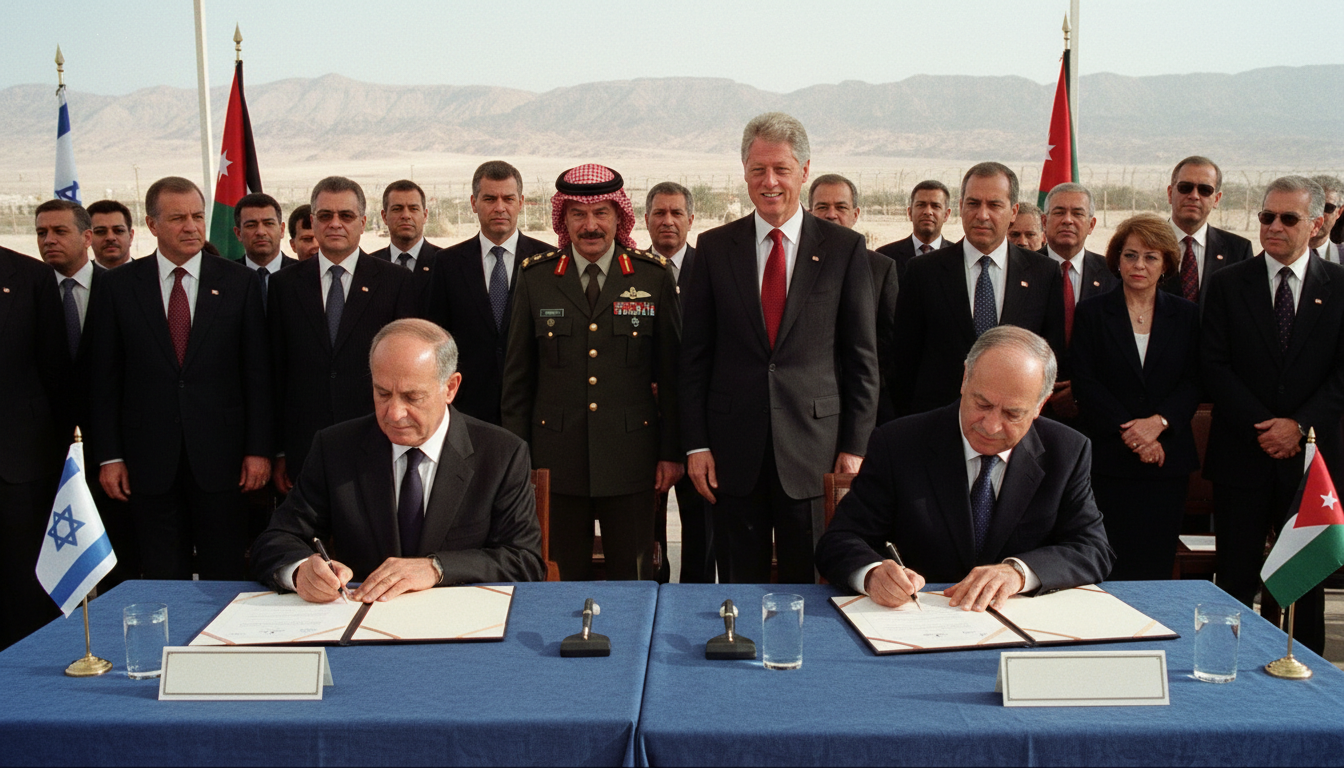
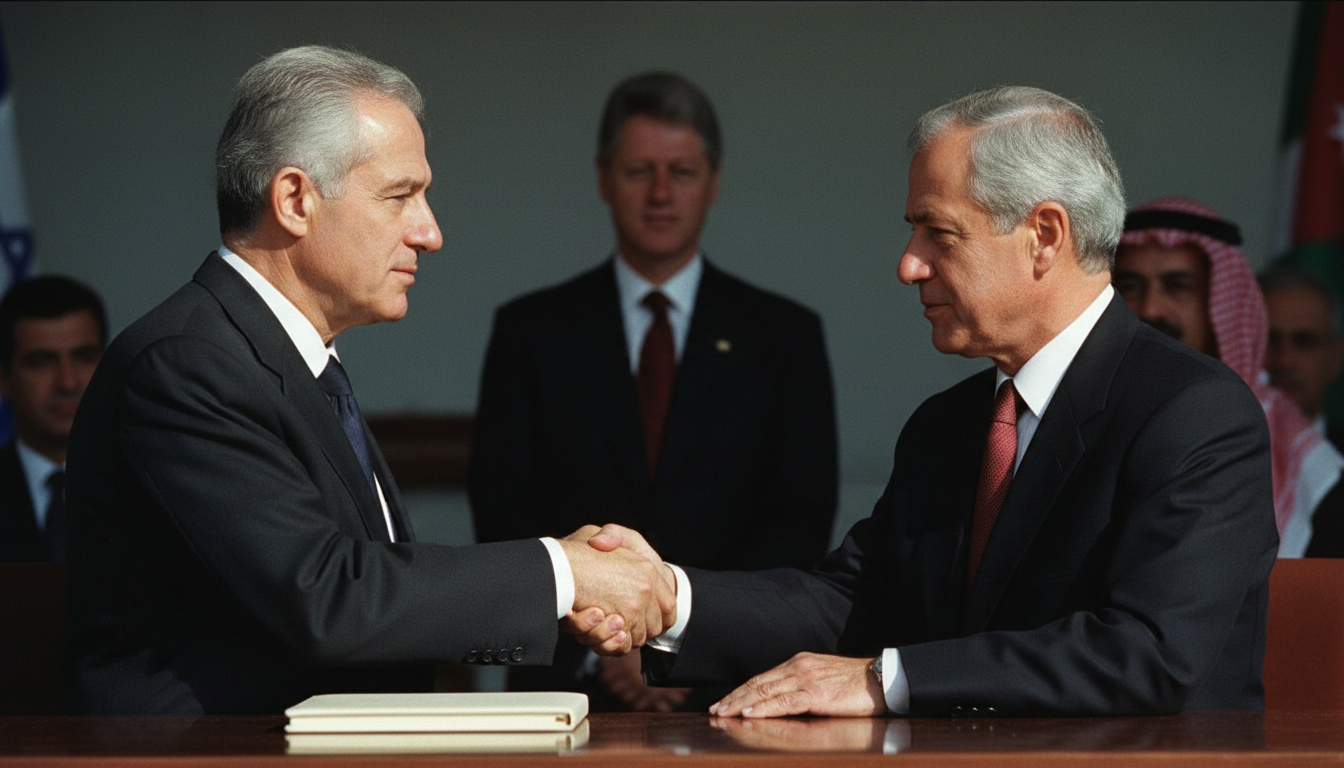
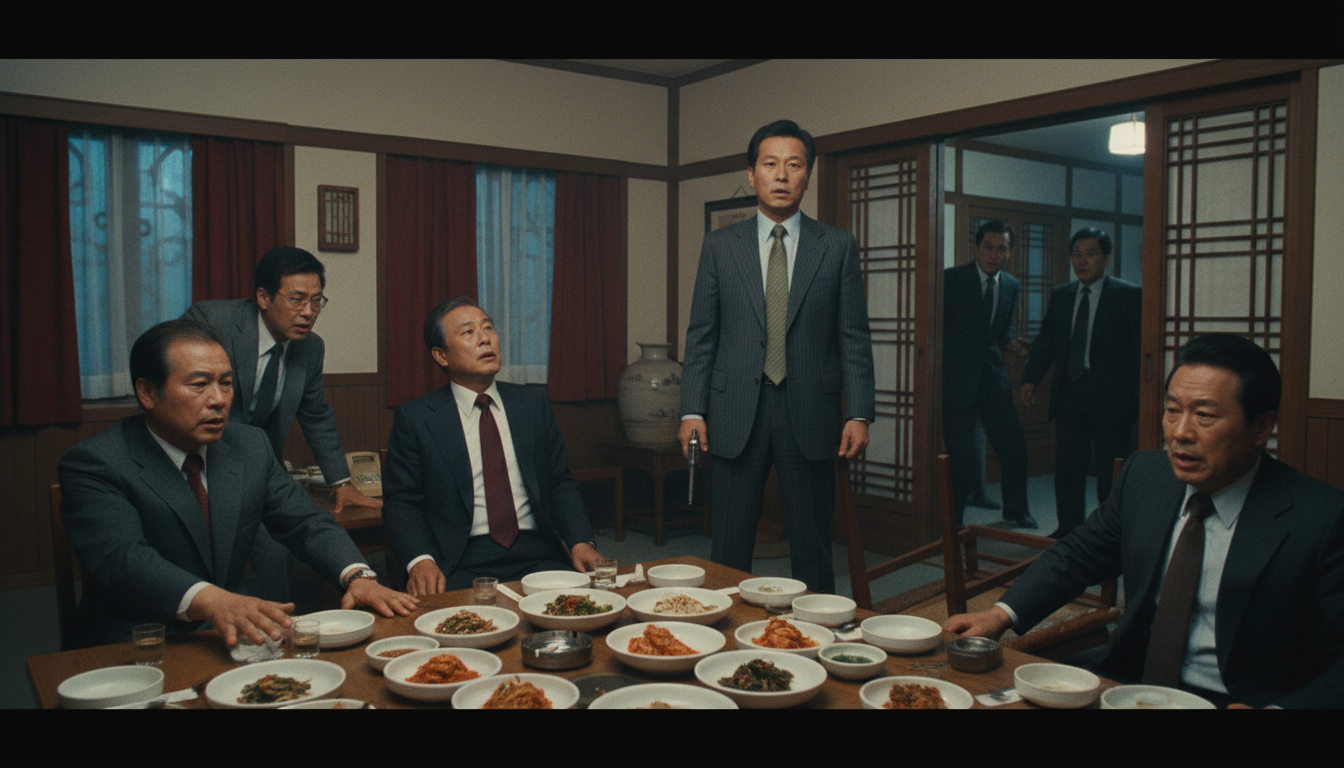
On October 26, 1979, South Korean President Park Chung Hee was shot and killed by Kim Jae-gyu, director of the Korean Central Intelligence Agency, during a dinner in Seoul.
The assassination ended Park’s 18-year authoritarian rule and triggered a political crisis and struggle for power in South Korea.
Park had overseen rapid industrialization while suppressing dissent, and his death came amid growing opposition to the repressive Yushin system.
The assassination ended Park’s 18-year authoritarian rule and triggered a political crisis and struggle for power in South Korea.
Park had overseen rapid industrialization while suppressing dissent, and his death came amid growing opposition to the repressive Yushin system.
1955
Republic of Vietnam Proclaimed
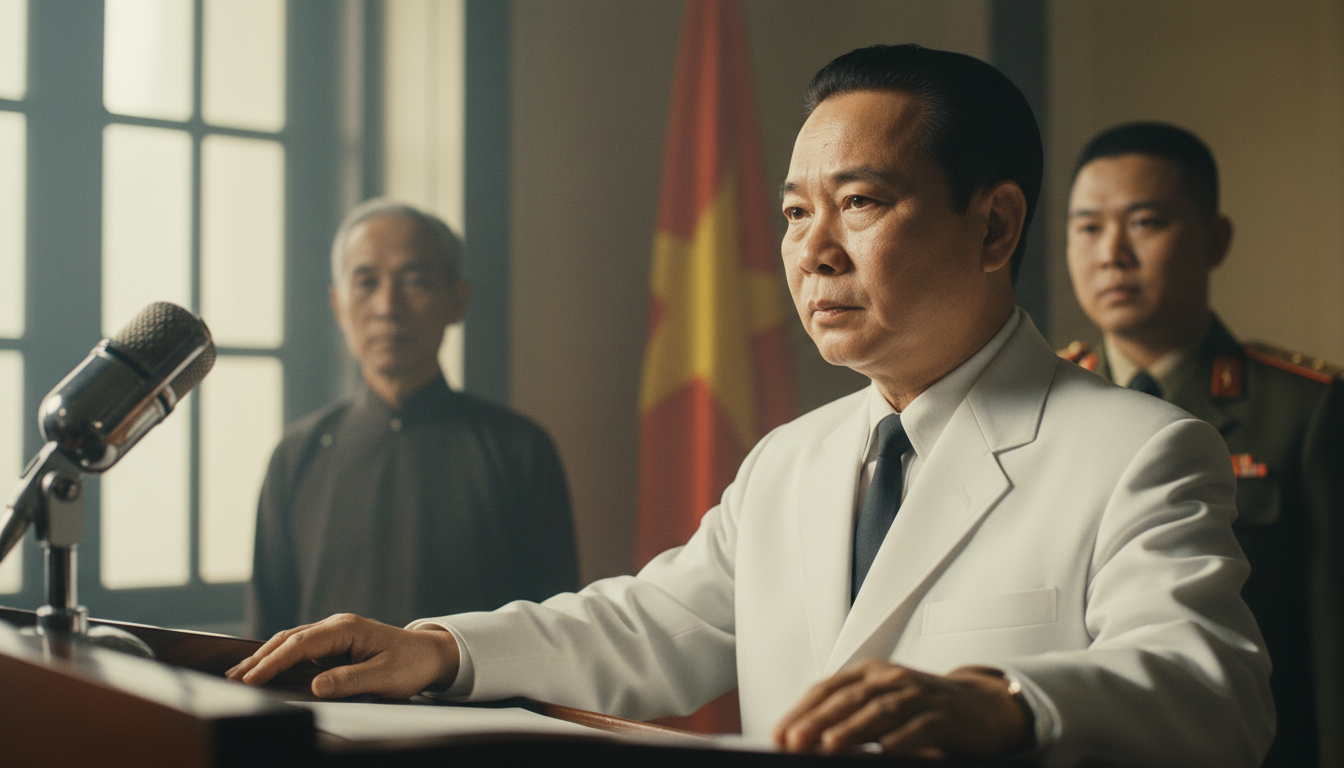
On October 26, 1955, Ngo Dinh Diem proclaimed the Republic of Vietnam, removed former emperor Bao Dai as head of state, and became president.
The move abolished the State of Vietnam’s monarchical framework and consolidated Diem’s rule after a widely manipulated referendum.
It occurred amid Vietnam’s post-Geneva partition into a communist North and anti-communist South, deepening Cold War divisions that led toward the Vietnam War.
The move abolished the State of Vietnam’s monarchical framework and consolidated Diem’s rule after a widely manipulated referendum.
It occurred amid Vietnam’s post-Geneva partition into a communist North and anti-communist South, deepening Cold War divisions that led toward the Vietnam War.
1947
Kashmir Accedes to India
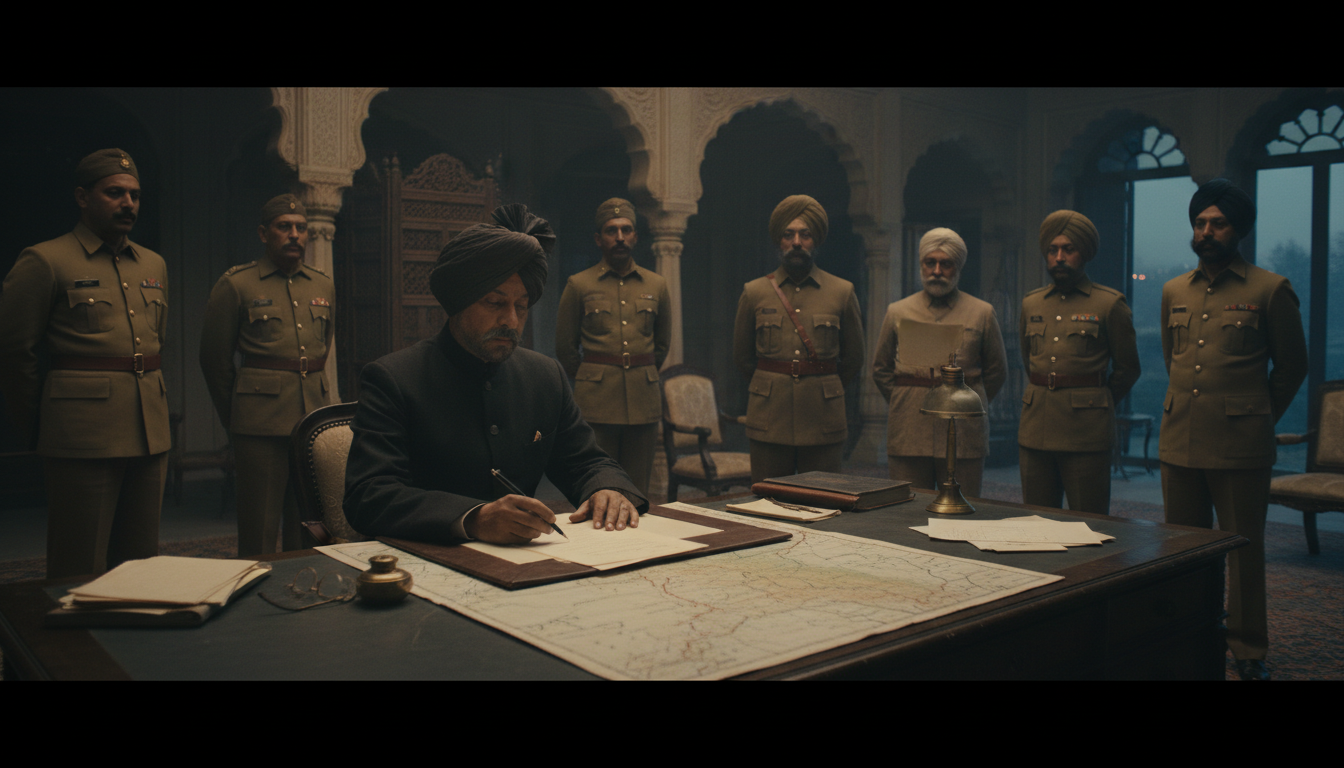

On October 26, 1947, Maharaja Hari Singh signed the Instrument of Accession, joining Jammu and Kashmir to India as tribal forces invaded the princely state.
The accession enabled India to send troops in support of the maharaja and made Kashmir a central issue in the first India-Pakistan war.
It occurred amid the partition of British India and helped create the enduring Kashmir dispute between India and Pakistan.
The accession enabled India to send troops in support of the maharaja and made Kashmir a central issue in the first India-Pakistan war.
It occurred amid the partition of British India and helped create the enduring Kashmir dispute between India and Pakistan.
1905
Norway’s Independence Recognized
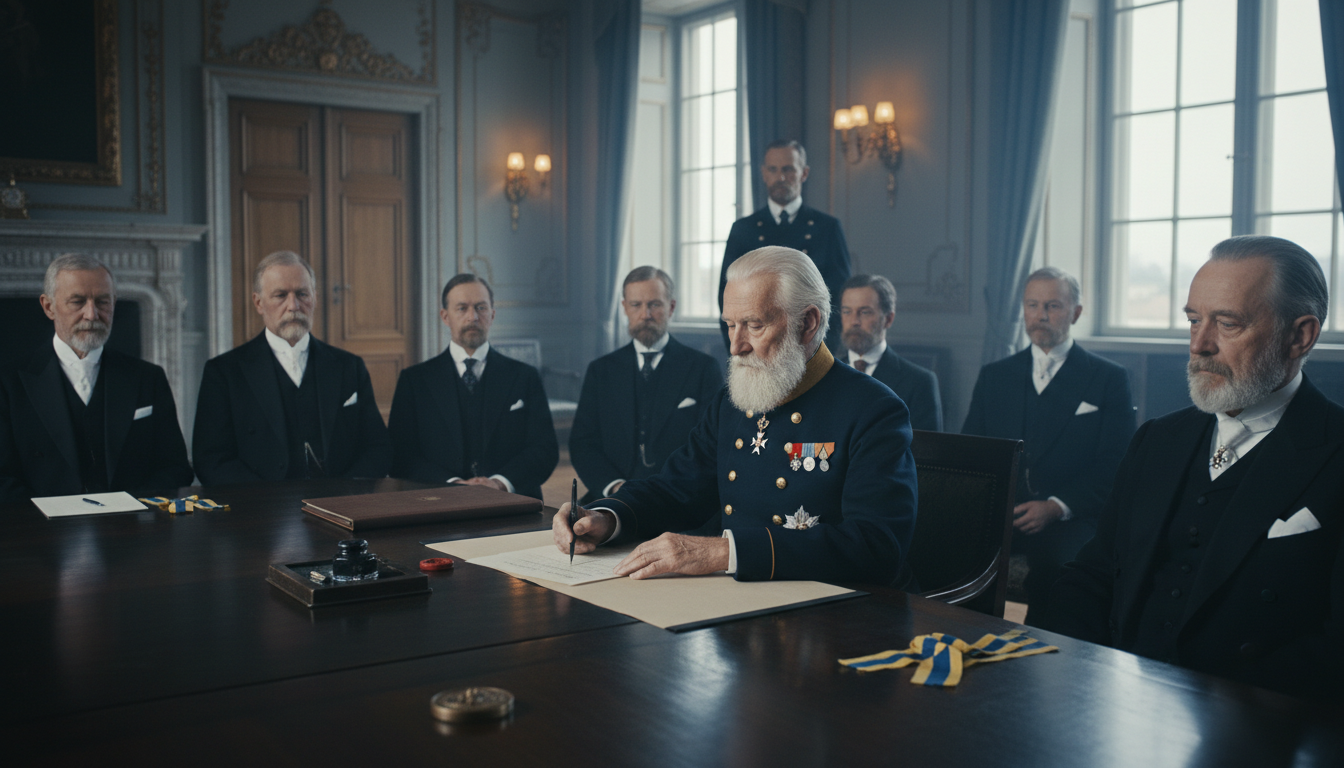

On October 26, 1905, Sweden’s King Oscar II renounced his claim to Norway’s throne and recognized Norway as an independent state.
This formalized the peaceful dissolution of the Swedish-Norwegian union after negotiations and Norwegian referendums supporting separation.
The union had existed since 1814, but growing Norwegian nationalism and disputes over self-government, especially foreign affairs, led to its end.
This formalized the peaceful dissolution of the Swedish-Norwegian union after negotiations and Norwegian referendums supporting separation.
The union had existed since 1814, but growing Norwegian nationalism and disputes over self-government, especially foreign affairs, led to its end.